
The best childrens book research writing does not begin at a desk. It begins in the real world — with a real place, a real animal, and the kind of specific detail that children instinctively trust even when they cannot name why.
Why Childrens Book Research Writing Matters
Childrens book research writing is one of the most overlooked parts of the picture book process. Adults often assume that because picture books are short, they require less rigour. The opposite is true. Every word earns its place. Every detail that appears in the text or illustration has been considered. And the details that feel most true to a child are almost always the ones that are actually true.
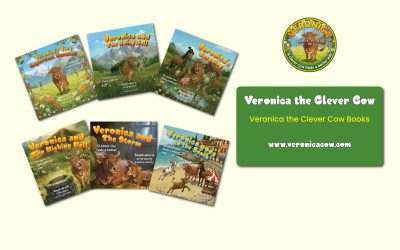
The Veronica the Clever Cow series was built on this principle from the beginning. Veronica is fictional. The world she comes from is not. Here are seven real details that sit behind every page of the series — and why each one matters to the childrens book research writing process.
1. The Breed Is Real
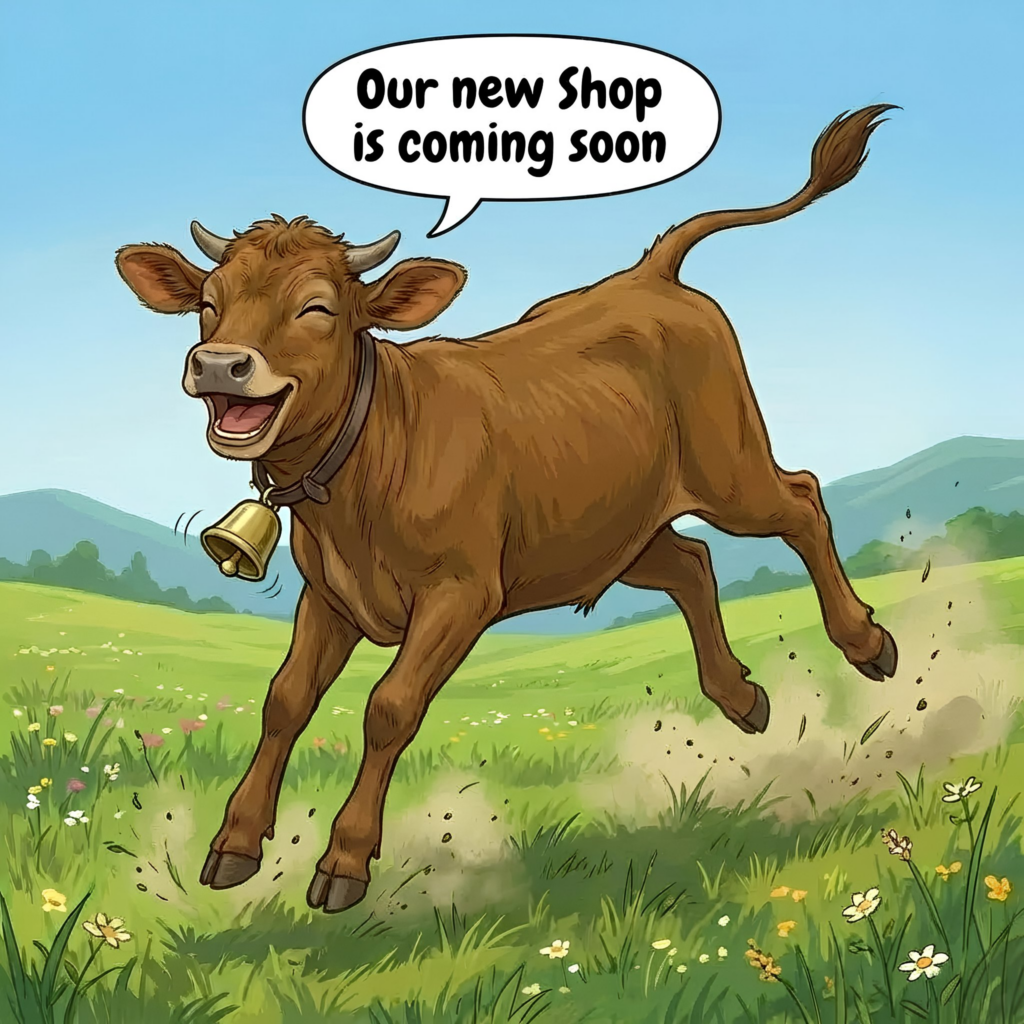
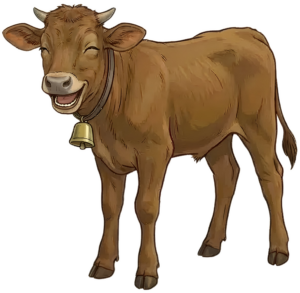
Veronica is a Swiss Brown cow. Not a generic brown cow — specifically a Swiss Brown, the breed that has grazed the Alpine valleys of Austria, Switzerland, and northern Italy for centuries. This detail matters to the childrens book research writing because it grounds Veronica in a real tradition. Swiss Browns are known for their hardiness, their intelligence, and their striking appearance. When children meet Veronica, they are meeting a real type of animal with a real history.
2. The Landscape Is Real
The Austrian Alps are not a vague backdrop. Jaz researched the Tyrol region specifically — the valley farms, the Alpine meadows, the particular quality of light in the mountains at different times of year. The childrens book research writing process included studying the geography, the farming traditions, and the visual character of the landscape that Veronica calls home. Children absorb this world as they listen. It builds a genuine sense of place.
3. Otto’s Breed Is Real
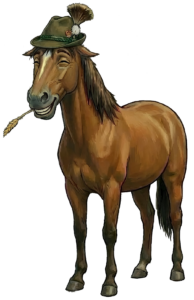
Otto is a Haflinger horse. The Haflinger is native to the Austrian and South Tyrolean Alps — a compact, sturdy, chestnut-coloured breed developed specifically for mountain terrain. When Otto appears in the illustrations, his breed is accurate. Childrens book research writing at this level of detail rewards the parents and educators who notice it, and builds the kind of trust that brings families back to a series again and again.
4. The Bell Is Real
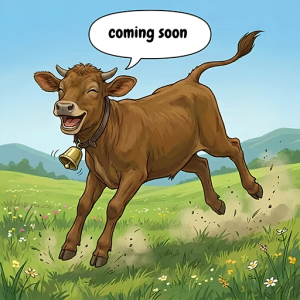
Veronica’s bell — central to Book 2 — is standard equipment for Alpine cattle. Cowbells serve a practical purpose in mountain farming: they allow farmers to locate their herds across large distances when the animals are grazing on high Alpine pastures. This is real childrens book research writing in action. A detail that could have been invented was instead verified. The story is richer for it.
5. The Cow Intelligence Research Is Real
Every cow fact in the series is drawn from actual published research. Cows can solve puzzles. They have long memories. They form close bonds with other cows. They experience something recognisably like optimism and pessimism. The childrens book research writing process involved reviewing genuine animal behaviour studies to ensure that Veronica’s cleverness was not just charming — it was scientifically defensible.
6. The Inspiration Was a Real News Story
The Veronica the Clever Cow series began with a BBC news story about a real Swiss Brown cow in the Austrian Alps who had done something so clever it made international headlines. Jaz read that story and recognised immediately that this was a character children needed to meet. Childrens book research writing that begins with a real event carries a different kind of energy — and readers, even very young ones, can feel it.
7. The Character Dynamics Reflect Real Herd Behaviour
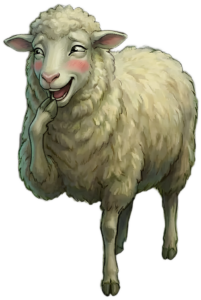
The relationships between Veronica, Otto, Liesel, Greta, and Seppi are not arbitrary. Real cattle and mixed farm animal herds have genuine social structures — leaders, followers, close friendships, and individuals who find each other baffling. The childrens book research writing behind the character dynamics drew on this to give the Veronica series a social world that feels authentic.
Research from the National Literacy Trust consistently shows that children who are read stories grounded in real-world detail develop stronger comprehension and a more lasting connection to books. The care that goes into childrens book research writing is, ultimately, care for the child listening.
Explore the full Veronica the Clever Cow series at veronicacow.com
Join the free library at veronicacow.com/join for printable activities, cow facts cards, and character guides — all free.