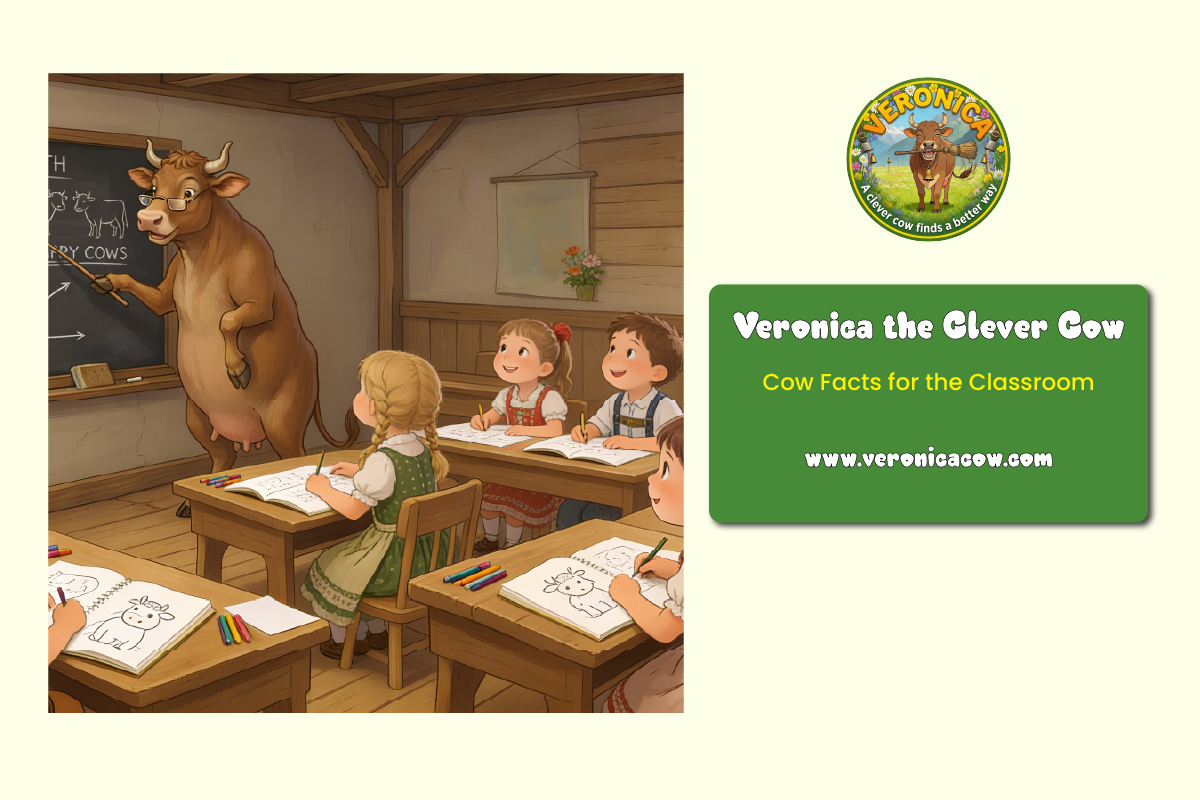
Cow facts for the classroom are some of the most useful curriculum links a primary or early years teacher can have access to. Real, science-based cow behaviour facts connect surprisingly cleanly to social studies, social-emotional learning, science, animal welfare, inquiry-based learning, and language development — all from a single thirty-minute lesson.
Here are seven cow facts for the classroom that every teacher of ages 3 to 7 should know about — each one a genuine finding from animal behaviour research, each one rich with cross-curriculum potential.
Why Cow Facts for the Classroom Matter
Teachers are constantly looking for content that does double or triple duty — material that hits multiple learning objectives without feeling forced. Cow facts for the classroom work brilliantly for exactly that reason. A single fact about cows can open up discussion on social behaviour, animal welfare, scientific observation, and emotional literacy in one lesson, without any of those connections feeling contrived.
Good cow facts for the classroom also have the advantage of being slightly unexpected. Children think they know what cows are. They do not. The moment a teacher reveals that cows have best friends, or that cows make decisions democratically, or that cows have measurable empathy, the whole class wakes up. The fact gets remembered. The discussion that follows is richer because the class is genuinely curious.
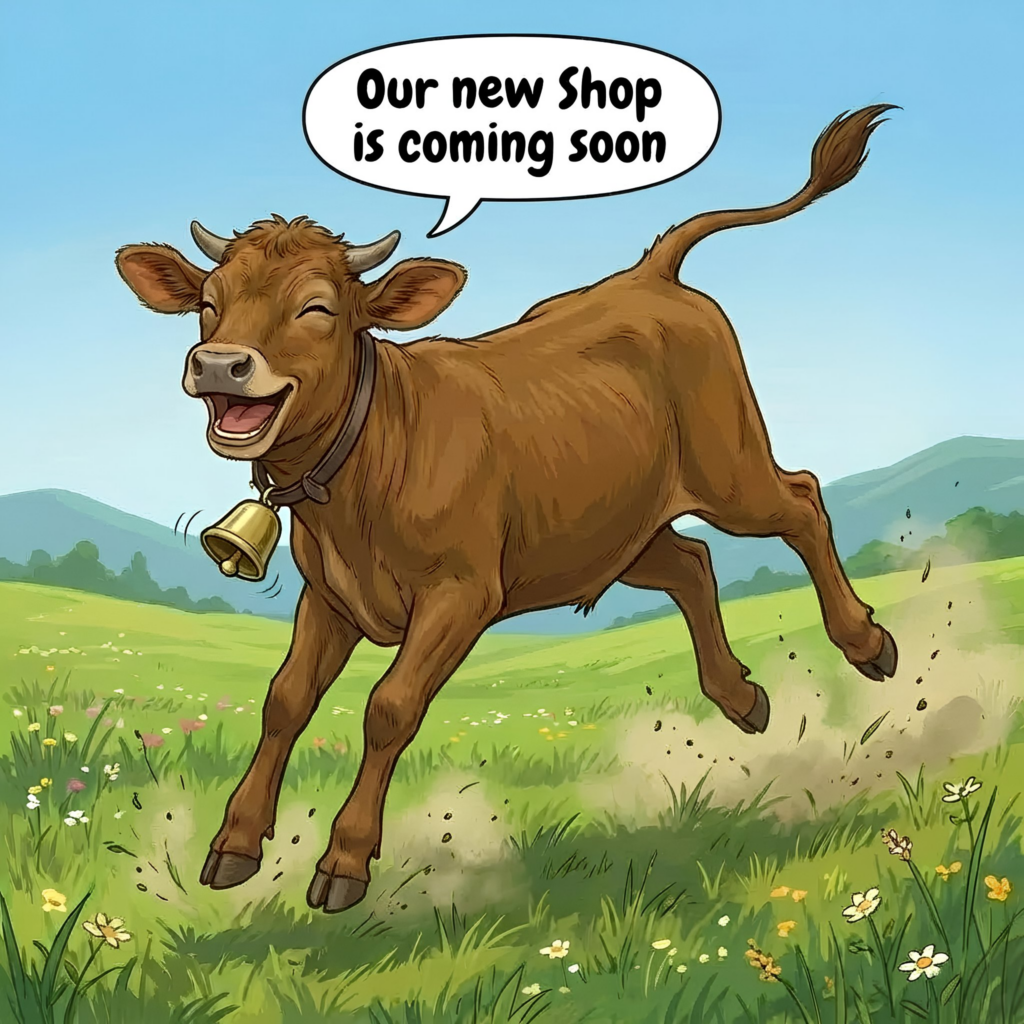
British/Australian author Jaz Hoy researched real cow behaviour science before writing the Veronica the Clever Cow series. The cow facts for the classroom below underpin every story in the books — and they double as standalone teaching material for any classroom unit on animals, social science, or empathy.
7 Magical Cow Facts for the Classroom
1. Cows Make Decisions as a Herd
Cow herds reach group decisions about when to move, where to graze, and where to lie down — without a single leader. They use subtle body language, eye direction, and position to reach consensus. This is one of the cow facts for the classroom that opens up discussions about how groups make decisions together. It links beautifully to early social studies and circle-time conversations.
2. Cows Have Distinct Individual Personalities
No two cows behave the same. Some are bold, some shy, some curious, some cautious. Farmers identify individual cows by personality alone. This fact connects directly to character study in literacy lessons — children naturally compare themselves and their classmates to “bold” or “shy” once they have the concept anchored in animals first.
3. Cows Solve Problems and Enjoy Doing It
Research has shown that cows trained to figure out how to open a gate to a reward show real excitement when they solve the puzzle — heart rate up, skipping, jumping. They enjoy the figuring out itself. This is one of the most powerful cow facts for the classroom because it links problem-solving to genuine pleasure — which is exactly the connection good teachers are always trying to build with their students.
4. Cows Show Measurable Empathy
When one cow is stressed, others nearby become stressed too. When one is calm, others calm. Mother cows are deeply attuned to their calves. Empathy in animals is real and measurable — which makes this one of the most valuable cow facts for the classroom for social-emotional learning programmes.
5. Cows Have Lifelong Memories
Cows remember kind humans for years. They remember frightening experiences for years. They remember which gate is always locked. This fact links cleanly into discussions about animal welfare — why we should be gentle with animals, why first impressions matter, why kindness adds up over time. Among all the cow facts for the classroom, this one tends to stay with children the longest.
6. Cows Have Specific Preferences
Cows prefer certain humans, certain music, certain areas of the paddock. They are not interchangeable — each cow has tastes. This is one of the most useful cow facts for the classroom because it teaches scientific observation: once children know cows have preferences, they can be asked to observe and predict, which is the start of real inquiry-based learning.
7. Cows Are Genuinely Curious About Everything New
Cows investigate new objects slowly, carefully, methodically. The curiosity is real and well-documented. This is the cow fact for the classroom that connects directly to inquiry-based learning — modelling curiosity as a productive trait rather than a distraction from the lesson at hand.
How to Use Cow Facts for the Classroom in a Lesson
The simplest lesson structure is to pick two or three of the cow facts above and pair them with a Veronica book read-aloud. The fact gives the lesson a hook. The book gives it emotional grounding. The discussion afterwards almost runs itself.
A typical thirty-minute structure might look like: five minutes introducing one cow fact, fifteen minutes reading a Veronica book aloud where that fact plays out in the story, then ten minutes of class discussion or a short activity sheet from the free library.
The cow facts for the classroom resources at veronicacow.com/join include printable fact cards designed for exactly this purpose — laminated for classroom display, sized for circle time, and tied to specific books in the series.
For broader pedagogical background on inquiry-based animal study in early years classrooms, the Early Childhood Australia publications page offers an excellent resource for teachers planning their literacy and science programmes.
How Cow Facts for the Classroom Connect to the Veronica Books
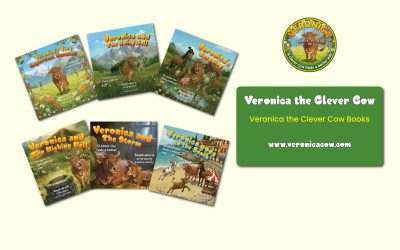
Every book in the Veronica the Clever Cow series is built on real cow behaviour science — which means every book is a natural pairing for cow facts for the classroom lessons.
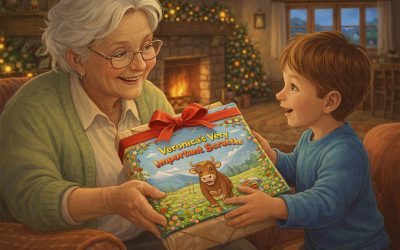
- Book 1: Veronica’s Very Important Scratch — pair with the social grooming fact. veronicacow.com/go/scratch
- Book 2: Veronica and The Noisy Bell — pair with the cow hearing and preference facts. veronicacow.com/go/bell
- Book 3: Veronica’s Busy Day — pair with the eight-hours-eating fact. veronicacow.com/go/busy
- Book 4: Veronica and the Wishing Well — pair with the cow curiosity fact. veronicacow.com/go/well
- Book 5: Veronica and the Storm — pair with the cow weather sense fact. veronicacow.com/go/storm
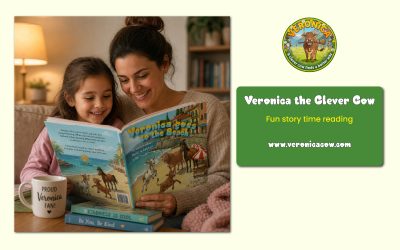
- Book 6: Veronica Goes to the Beach — pair with the cow exploration fact. veronicacow.com/go/beach
Free Cow Facts for the Classroom Resources
The free library at veronicacow.com/join includes printable fact cards, colouring pages, spot-the-difference sheets, mazes, and themed activity packs — all designed for early years and primary classrooms, all free to download and print.
Premium Teacher members can unlock the full structured lesson plans for each book, which incorporate the cow facts for the classroom directly into five-day teaching units. Each unit includes vocabulary builders, comprehension questions, and cross-curriculum activity prompts.
Browse the full character cast on the Meet the Characters page.
A Final Word on Cow Facts for the Classroom
A surprising fact. A warm story. A short discussion. That is the entire lesson structure, and cow facts for the classroom deliver all three at once.
Children remember the facts. They remember the stories. They remember the conversations. That is a good week of teaching.
Veronica entirely approves.