Picture book illustration is one of the quiet crafts behind every childrens book on the shelf. The cover catches the eye. The story holds the child. But the illustration — every line, every facial expression, every choice of colour — is what brings the story to life on the page in a way the words alone never could.
Here are four heartwarming stages of picture book illustration that sit behind every Veronica the Clever Cow book, from the first sketch in pencil to the printed page in a child’s hands. Each stage takes weeks. Each stage matters more than you might think.
Why Picture Book Illustration Matters
A picture book is two things at once — a story and a series of images. The text tells half the story. The pictures tell the other half. Neither works without the other, and the best picture books are the ones where the two are so tightly woven that you cannot separate them in memory afterwards.
Good picture book illustration is not decoration. It is storytelling on equal terms. The expression on a character’s face on page seven might say something the words deliberately leave unsaid. The composition of a spread might guide the child’s eye exactly where it needs to go. The choice of colour palette might tell the child it is bedtime before they have even realised they are getting sleepy.
British/Australian author Jaz Hoy and the Veronica’s World illustration team work closely together on every book. The four stages of picture book illustration below are the same on every Veronica title — from Book 1 right through to Book 6.
The 4 Stages of Picture Book Illustration
1. Reading and Imagining
Every Veronica book begins, on the illustrator’s side, with reading. The manuscript arrives. The illustrator reads it through several times, slowly, without picking up a pencil. The first job of picture book illustration is to understand what the story actually is — its rhythm, its mood, where it wants to be quiet, where it wants to surprise, where it wants the reader to linger.
Only after that does the imagining start. What does this scene look like? What is Veronica thinking on this page? What is Otto doing in the corner? Where is the light coming from? These questions are mapped out in notebooks and rough thumbnails — tiny scribbles, sometimes barely legible, that map the entire book in miniature before any real drawing begins.
2. Rough Sketches and Layouts
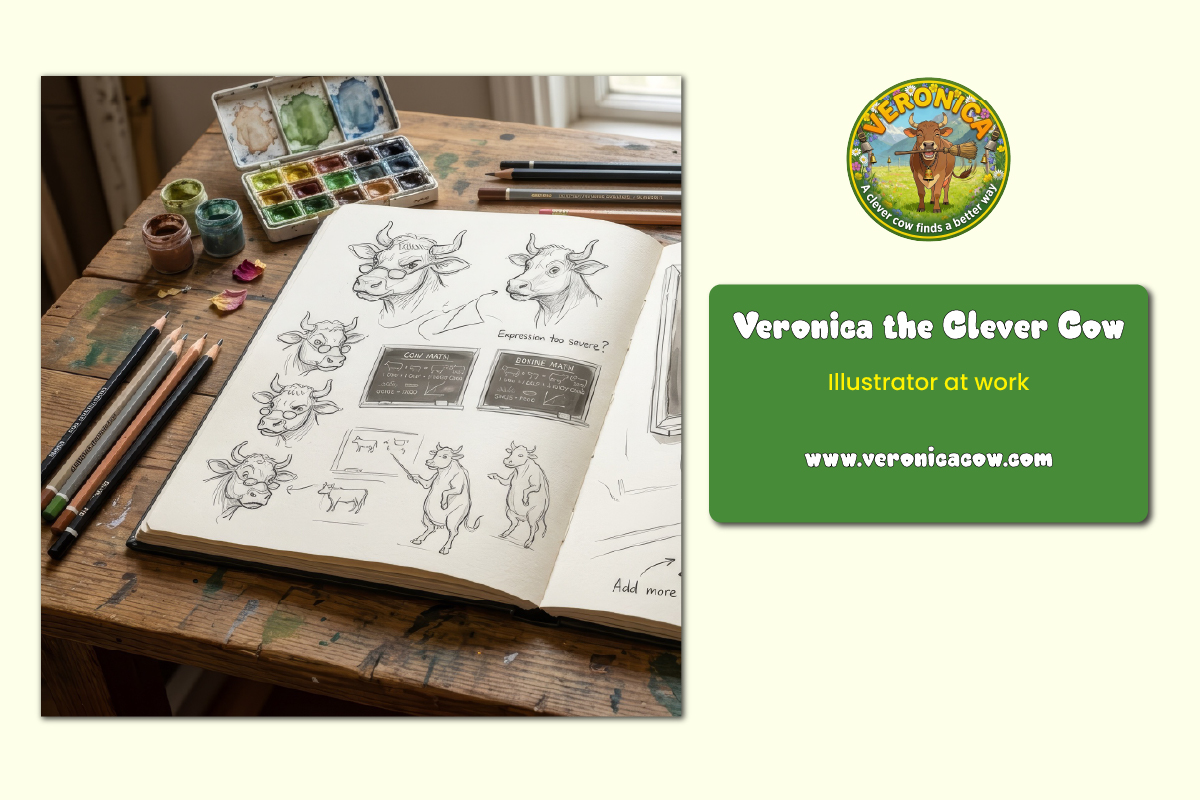
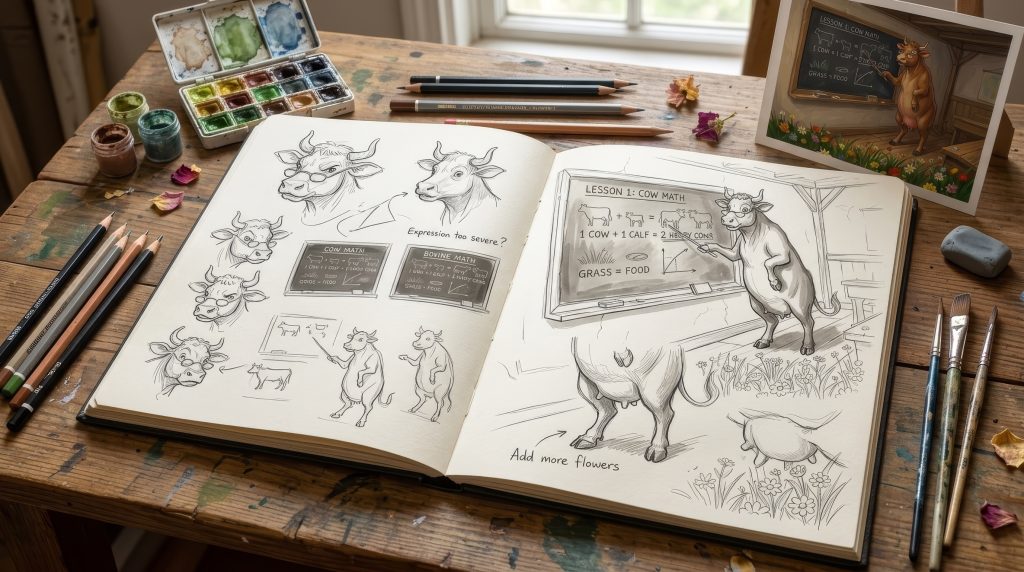
The second stage of picture book illustration is rough sketching. Full-page pencil drafts. Multiple versions of every spread. Characters drawn in different poses, different expressions, different angles. The illustrator and author look at the roughs together. Some are right immediately. Most are revised three or four times before they feel right.
This stage takes longer than people imagine. A picture book has roughly fourteen spreads. Each spread might go through five or six rough versions before it settles. That is potentially eighty rough sketches per book, each one drawn by hand. The roughs that work tend to be the ones that solve the page — telling the right amount of story without crowding it.
3. Final Line Work and Colour
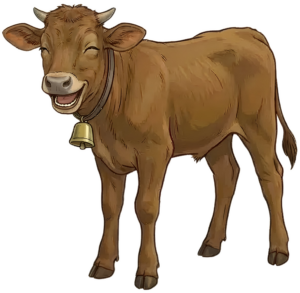
Once the roughs are approved, picture book illustration moves into the slowest stage of the entire process — final art. Final line work is done carefully, often digitally over the approved rough, often with multiple revisions of small details (eyes, hooves, leaves, fence posts). Then the colour goes on, layer by layer, with the palette already mapped out from the rough stage.
Final art takes the longest because every choice is permanent. The expression on Veronica’s face on page seven of Book 5 is the expression for the entire life of that book. Once it is printed, it is printed. This is why picture book illustration has so many rounds of small checks and second opinions before anything is signed off as final.
4. Print Preparation
The last stage of picture book illustration is the one nobody outside the industry ever sees. The final files have to be prepared for print — colour-calibrated to the printer’s specifications, bleed margins set correctly, resolution checked at the right DPI, fonts embedded, gutters allowed for so nothing important falls in the spine.
This is technical work, slow work, and it is where books go wrong if it is rushed. The Veronica books are checked at least three times against printer proofs before the final go-ahead is given. A picture book lives or dies in the print preparation stage as much as in the drawing itself.
How Picture Book Illustration Shapes the Veronica Books
Every Veronica book has been through all four stages of picture book illustration described above. Every character expression you see in the books was sketched five times before it was right. Every spread was thumbnailed in miniature before it was drawn full-size. Every colour was tested before it was committed.
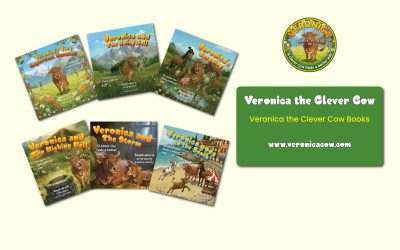
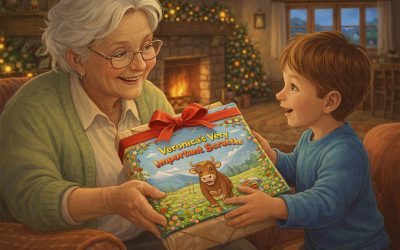
- Book 1: Veronica’s Very Important Scratch — veronicacow.com/go/scratch
- Book 2: Veronica and The Noisy Bell — veronicacow.com/go/bell
- Book 3: Veronica’s Busy Day — veronicacow.com/go/busy
- Book 4: Veronica and the Wishing Well — Pip and Millie’s first appearance, requiring whole new character design work. veronicacow.com/go/well
- Book 5: Veronica and the Storm — particularly demanding picture book illustration work for the storm scenes. veronicacow.com/go/storm
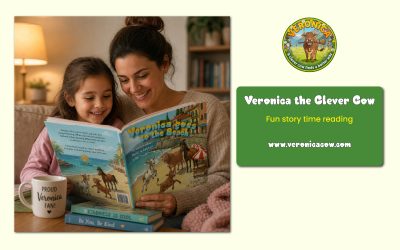
- Book 6: Veronica Goes to the Beach — newest in the series, full of light and water. veronicacow.com/go/beach
For broader context on the craft of picture book illustration, the Society of Children’s Book Writers and Illustrators is an excellent resource for parents and aspiring illustrators alike.
Free Resources Inspired by Picture Book Illustration
The free library at veronicacow.com/join lets children explore picture book illustration themselves — colouring pages drawn in the same line style as the books, character fact cards, and themed activity sheets. Many parents tell us the colouring pages have led to children drawing their own Veronica stories at home, which is genuinely the best possible outcome.
Premium Teacher members can unlock dedicated picture book illustration lesson plans — units on visual storytelling, character design, and composition designed for early years and primary classrooms.
Browse the full character cast on the Meet the Characters page.
A Final Word on Picture Book Illustration
A line, a colour, an expression. Multiplied by hundreds. Across weeks of patient work. That is roughly what sits behind every Veronica book on the shelf.
The next time you read a picture book to a child, take an extra second on each spread. Look at what the illustrator chose to put in — and what they chose to leave out. Picture book illustration is a quiet, careful, deeply considered craft. It rewards looking.
Veronica entirely approves.